
 HOME
 ALIBABA 13+ YRS
 GLOBAL SOURCE
Blog
From OEM to ODM: How Collaborative Design Drives Retail Margins
25
Jan
Jan
In the evolving landscape of global retail, the shift from a traditional Original Equipment Manufacturer (OEM) model to an Original Design Manufacturer (ODM) approach is redefining profitability. For retailers, moving beyond simple manufacturing to collaborative design is the key to unlocking higher margins and brand exclusivity.
As a Vietnam Manufacture specialist, we understand that today’s consumers aren’t just looking for products; they are looking for a story rooted in Handicraft and sustainability. By leveraging both OEM and ODM capabilities, brands can transition from selling generic commodities to offering unique, Handmade solutions that command a premium price.
The Power of Design Collaboration

The traditional OEM model focuses on execution—producing a design provided by the retailer. While efficient, it often leads to market saturation where multiple brands sell identical items. In contrast, the ODM model allows for a partnership where the Vietnam Manufacture team contributes design expertise, material innovation, and trend analysis.
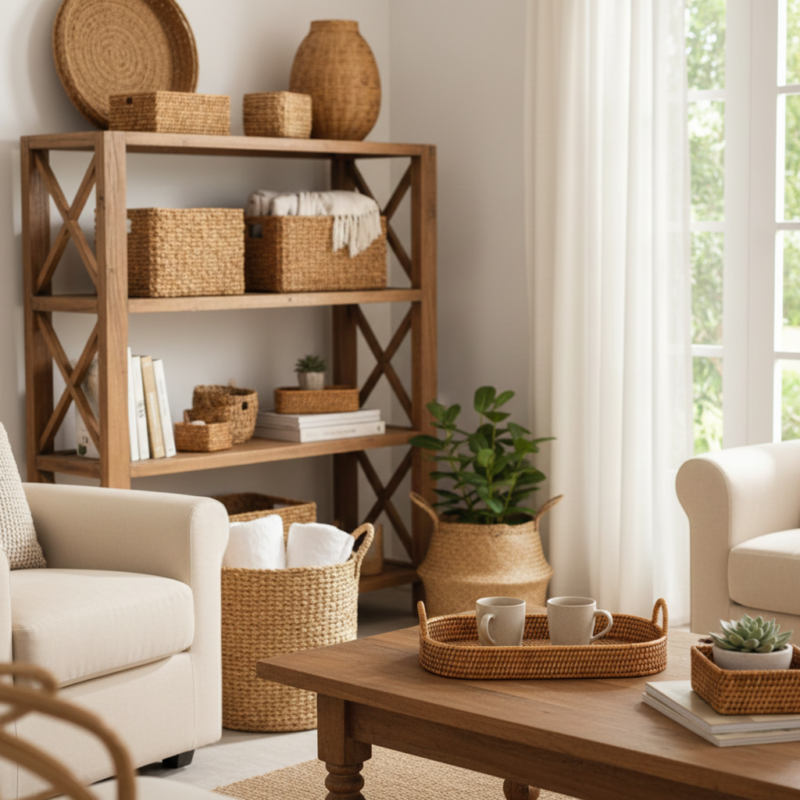
For instance, when developing an Eco-friendly home organization line, a retailer can collaborate with a Rattan basket wholesale supplier to create bespoke shapes and weaves that are exclusive to their brand. This differentiation is what protects retail margins from the “race to the bottom” on pricing.
Natural Materials: The Margin Multiplier
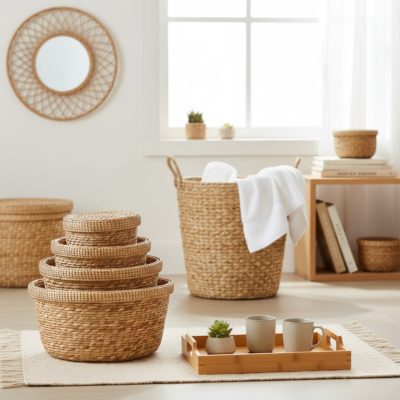
Utilizing fully natural materials like Bamboo and Rattan is no longer just a trend—it is a strategic advantage. Consumers are increasingly willing to pay more for products that are biodegradable and ethically sourced. A high-quality Bamboo serving tray manufacturer can help a brand integrate these textures into modern interior aesthetics, blending traditional Handicraft with contemporary functionality.
Consider how these artisanal elements can elevate a product line:
-
Integrating a large woven organizer into a bedroom collection adds a tactile, organic feel that synthetic plastic alternatives cannot match.
-
Using a natural woven bin for shelf displays creates a premium “boho-chic” look that appeals to high-end demographics.
-
Offering a professional woven storage tray as part of a kitchen or bathroom set demonstrates a commitment to both durability and style.
Compliance and Competitive Advantage
While design drives margins, supply chain integrity protects them. As we discussed in our previous look at navigating the EUDR and verified sourcing, staying ahead of environmental regulations is essential for long-term market access. By choosing an ODM partner that prioritizes Eco-friendly practices and verified Bamboo and Rattan sourcing, retailers mitigate risk while boosting their brand’s “green” credentials.
Conclusion
The transition from OEM to ODM is a journey toward greater brand equity. By partnering with a versatile manufacturer that masters both Handmade techniques and collaborative design, retailers can ensure their collections remain unique, compliant, and—most importantly—profitable. In the world of Handicraft, the bridge between a raw material and a high-margin retail product is built through design.
