
 HOME
 ALIBABA 13+ YRS
 GLOBAL SOURCE
Blog
The “Tactile Revolution”: Why Sensory Branding is the New ROI
09
Feb
Feb
In an increasingly digital world, the brands that stand out are the ones that can be felt. While visual marketing is saturated, a new frontier has emerged: the “Tactile Revolution.” This shift toward sensory branding is proving that the physical touch of a product is the new metric for Return on Investment (ROI). For businesses looking to create lasting impressions, the journey from screen to skin is best navigated through high-quality, handicraft products.
The Psychology of Touch
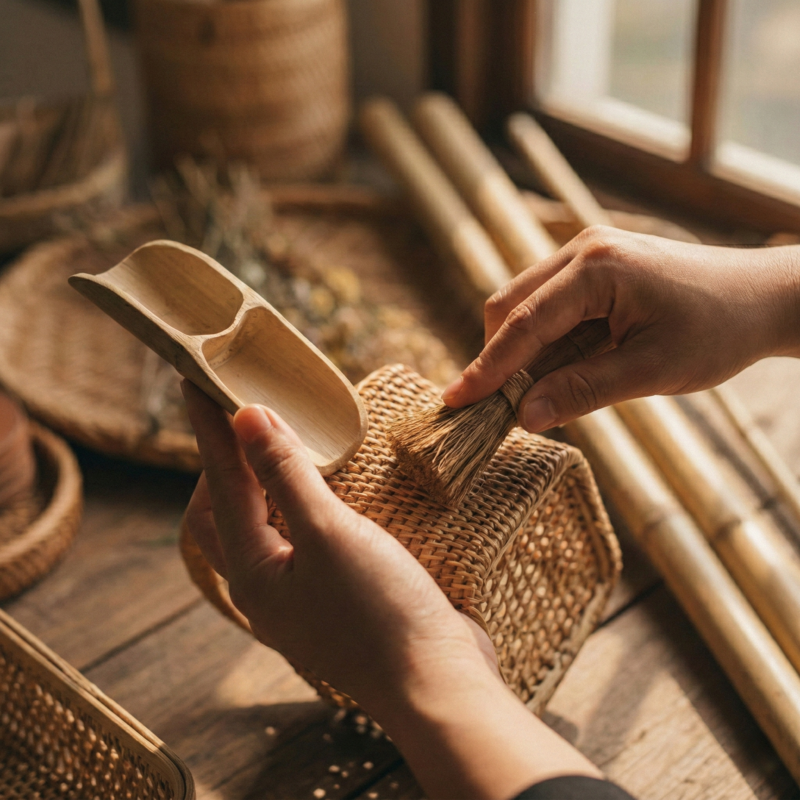
Human beings are hardwired to trust what they can feel. When a customer touches a material like bamboo or rattan, they aren’t just feeling a surface; they are experiencing a brand’s commitment to quality and sustainability. Unlike mass-produced plastic, handmade items from a dedicated Vietnam Manufacture offer a unique texture—a “sensory thumbprint” that creates an emotional connection.
Elevating the Experience with Natural Materials
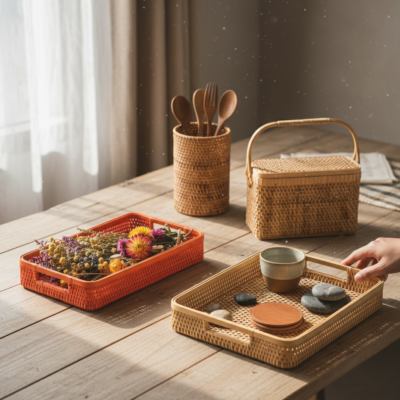
For the hospitality and retail sectors, sensory branding translates directly into perceived value. Imagine a dining setting where the storage is as thoughtful as the meal itself. An espresso-toned woven caddy provides a sturdy, organic grip that plastic simply cannot replicate. Similarly, for outdoor events, a portable honey-straw holder adds a rustic, tactile charm that enhances the overall guest experience.
By choosing an eco-friendly approach, brands signal their values without saying a word. This “silent marketing” is why many businesses are turning to a reliable Rattan basket wholesale supplier to source authentic materials that resonate with the modern, conscious consumer.
Craftsmanship Meets Versatility
The ROI of sensory branding is also found in the versatility of design. Whether through OEM (Original Equipment Manufacturing) or ODM (Original Design Manufacturing), the ability to customize natural textures is vital. A vibrant orange bamboo box can serve as a bold statement piece, while a natural-toned rectangular platter offers a minimalist, earthy feel.
As a premier Bamboo serving tray manufacturer, we understand that the weight, the grain, and even the scent of coiled bamboo contribute to a premium brand identity.
Future-Proofing Your Brand

Beyond the sensory appeal, there is a practical side to choosing natural fibers. In our previous discussion on the regulatory advantages of bamboo and rattan, we explored how these materials help brands stay ahead of strict environmental legislations like the EUDR.
The “Tactile Revolution” is more than a trend; it is a return to authenticity. By integrating handicraft elements into your product line or service environment, you aren’t just buying inventory—you are investing in a sensory experience that pays dividends in customer loyalty and brand prestige.
