
 HOME
 ALIBABA 13+ YRS
 GLOBAL SOURCE
Blog
The Brand Story Multiplier: Using OEM/ODM Transparency to Command a Premium for Rattan and Bamboo
16
Dec
Dec
In today’s competitive home decor market, the definition of luxury has shifted. It is no longer just about the final aesthetic; it is about the origin story. For brands sourcing sustainable goods, transparency regarding the manufacturing process is not a liability—it is your greatest asset. By pulling back the curtain on how handcrafted pieces are made, you can transform a simple commodity into a premium lifestyle product.
The Art of the Narrative
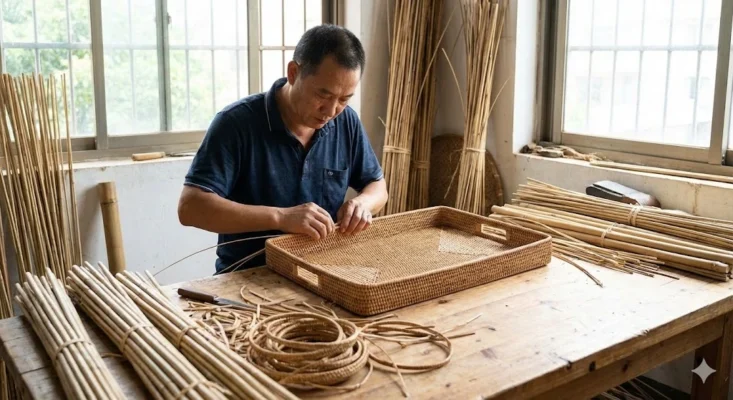
Modern consumers are willing to pay a premium for authenticity. When you work with a top-tier Bamboo serving tray manufacturer, you aren’t just outsourcing production; you are curating a legacy of craftsmanship. This is where OEM (Original Equipment Manufacturer) and ODM (Original Design Manufacturer) services shine. They allow you to claim ownership of a unique production journey, highlighting the skill of the artisans who weave every strand.
Texture as a Selling Point
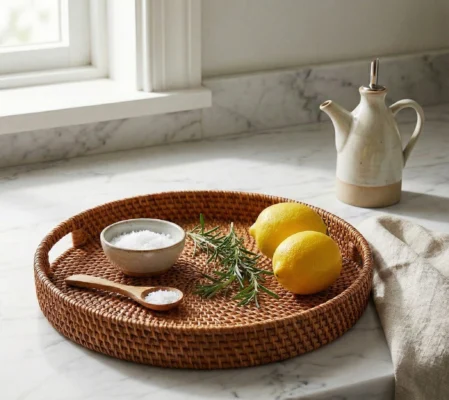
The difference between a standard product and a high-end collection often lies in the specific textures and structural choices. For instance, the solidity of a streamlined, handless coiled base speaks to a minimalist, modern sensibility, offering durability that feels substantial in the hand.
However, utility often drives purchase decisions in the hospitality sector. By offering a similar aesthetic in a version featuring integrated handles, you demonstrate that your brand understands the practical needs of serving without sacrificing the organic beauty of the coiled bamboo foundation.
Defining Elegance Through Weave
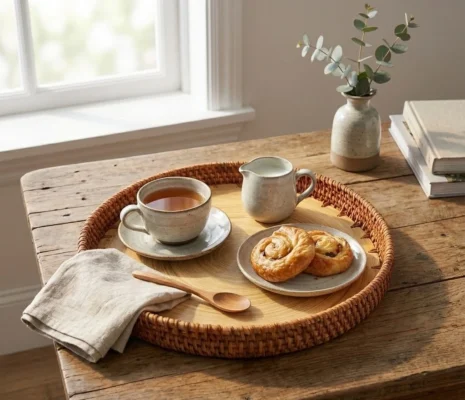
While coiled designs offer solidity, wicker weaves offer intricate visual storytelling. A Rattan basket wholesale supplier that specializes in fine weaving allows you to introduce products that feel lighter yet incredibly sophisticated.
Consider the contrast found in mixed materials. A tray that combines a straw rattan body with distinctive bamboo dowel grips adds a layer of architectural interest that mass-produced items simply cannot replicate. For a purer, more traditional look, a classic handless wicker weave highlights the raw, golden hues of the natural fiber, perfect for organic table settings.
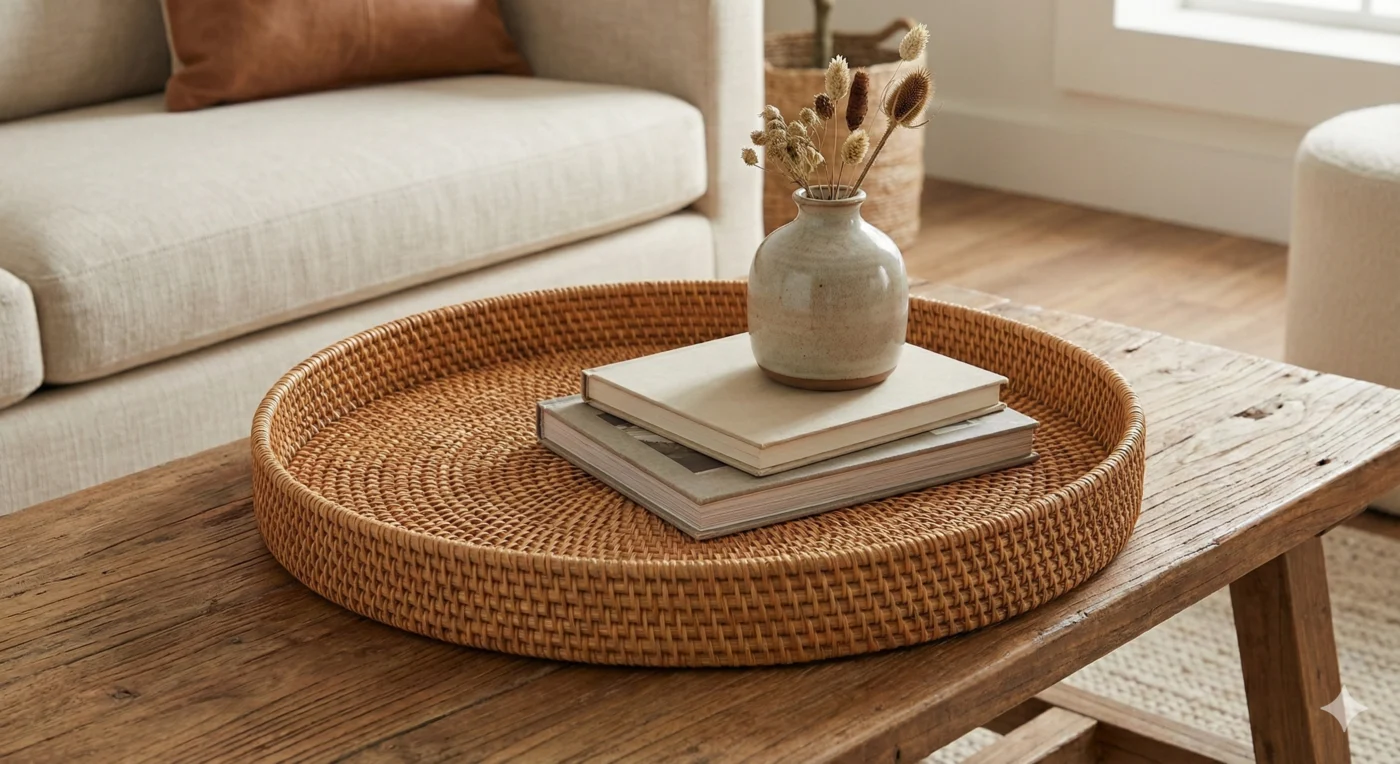
For brands looking to make a bold statement in larger spaces, scaling up the design is key. A large-scale fine woven centerpiece acts not just as a serving vessel, but as an anchor for coffee tables and ottomans, showcasing the tight, consistent weave that only skilled hands can produce.
Leveraging Customization
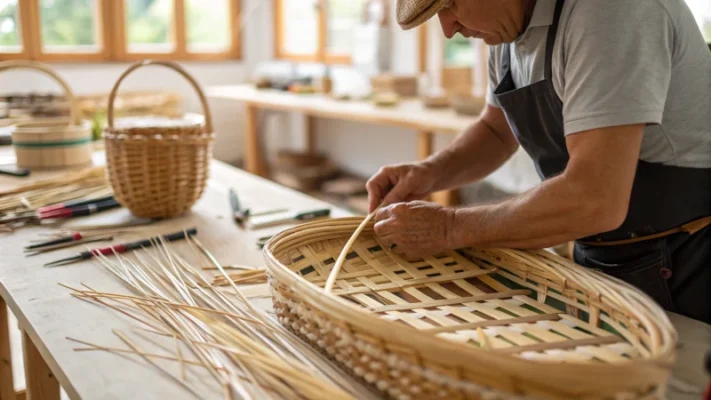
The true power of OEM/ODM lies in the ability to tailor these elements to your specific market demographics. Whether you are targeting high-end residential buyers or large-scale hotel contracts, the ability to modify a weave pattern or handle style is invaluable.
For more insights on how to navigate these choices for specific sectors, read our previous guide on The Designer’s Guide to Custom Rattan: Leveraging OEM/ODM for Contract-Grade Hospitality and Residential Projects.
By being transparent about your use of natural materials and expert manufacturing partners, you validate your price point and build a brand story that resonates with the eco-conscious, design-savvy consumer.
